What is a Greenstone Park?
A Greenstone Park is a public designation for one of Manitoba's working mineral districts — the Thompson Nickel Belt, the Flin Flon – Snow Lake Belt, the Bird River Belt, the Lynn Lake gold district, and others — that gives the district the same standing in provincial and federal policy that the Seal River Watershed will have as an Indigenous Protected and Conserved Area. Public maps of each park's boundary, mineral inventory, and existing operations. Fast-track permitting that means process efficiency, not lower environmental standards. Indigenous co-design of the framework. A statutory base that requires fresh legislation to alter, not ministerial discretion. Announced jointly with the IPCA, by the same ministers, in the same chamber, on the same day.
The point is durability. Conservation announcements in Canada have a durability problem; capital and exploration interests read them as one-way moves, and pressure to rebalance the protection rises in every subsequent budget cycle. The Greenstone Parks designation is the policy infrastructure that pairs the conservation announcement with a public, equally durable commitment to mineral development in the right places — making both halves of Manitoba's land-use policy stable.
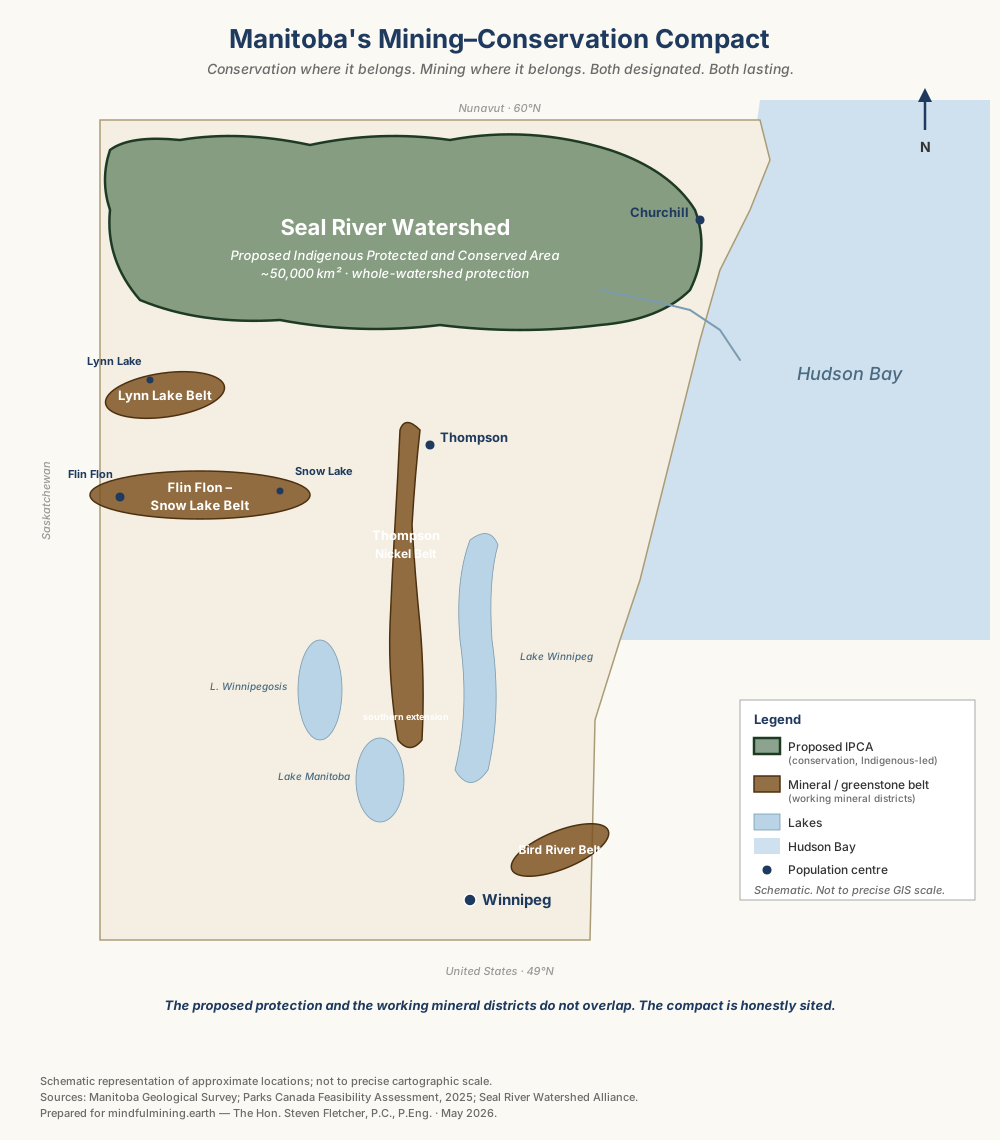
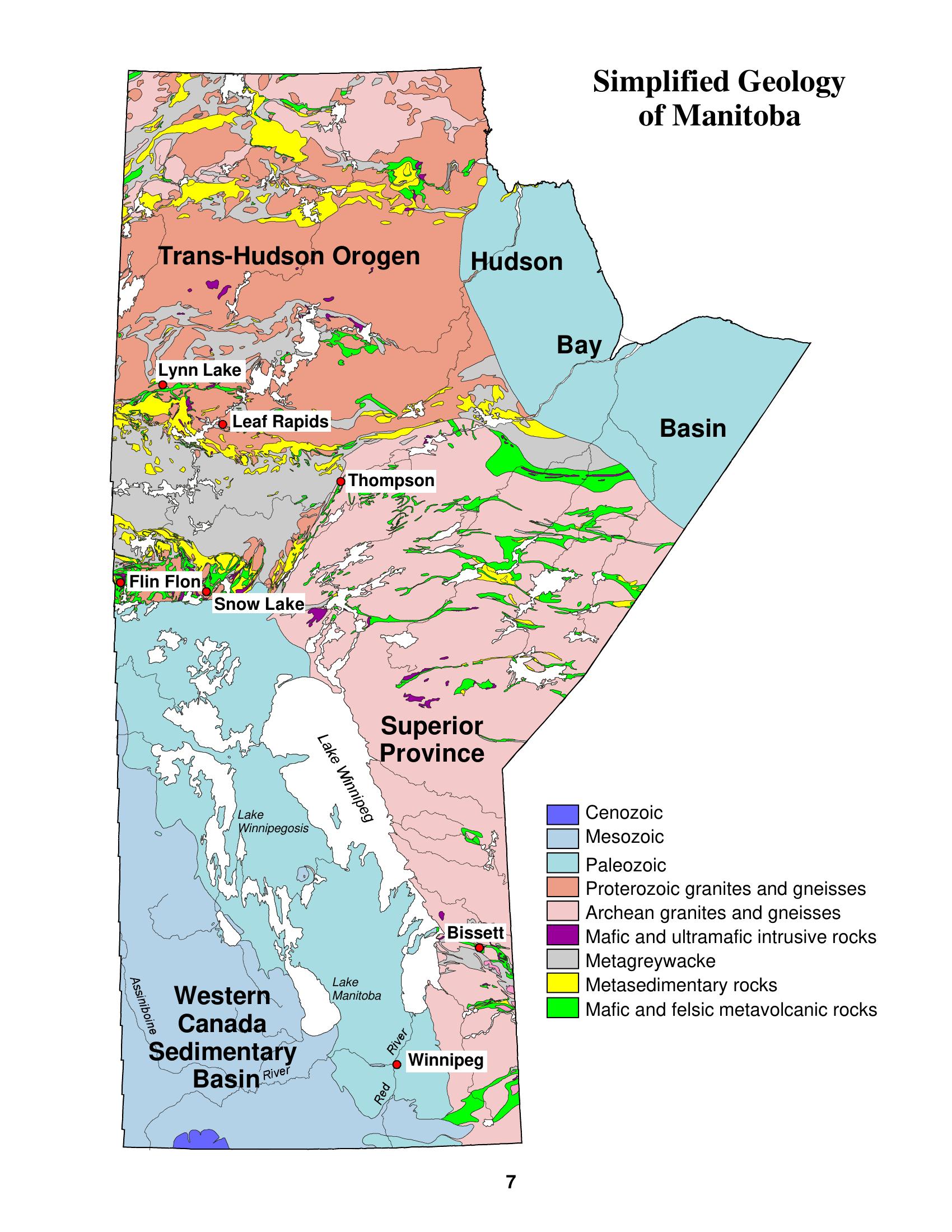
Manitoba's named mineral belts
The proposal would designate, at a minimum, the following established and prospective mineral districts as Greenstone Parks. Each has decades of geological work behind it, established or emerging Indigenous-partnership frameworks, and a real industrial base.
Thompson Nickel Belt
Northern Manitoba's nickel-mining heartland, anchored by Vale's Thompson operations. Nisichawayasihk Cree Nation is the principal Indigenous partner. The southern extension of the belt — the Lowlands — was the site of the 2017 national-park proposal that brought the Seal River question to the legislature in the first place.
Flin Flon – Snow Lake Belt
The historic copper-zinc-gold camp on the Saskatchewan-Manitoba border. Mathias Colomb Cree Nation is a long-standing Indigenous partner in the Snow Lake portion. Hudbay Minerals' operations have anchored the camp for decades.
Bird River Belt
Famous for world-class rare-element pegmatites. The Bernic Lake mining area is home to the Tanco Mine — the subject of my November 2020 Globe and Mail piece on Canada's cesium, tantalum, and lithium exposure to Chinese strategic interests, and a critical piece of Canada's critical-minerals position today.
Lynn Lake Belt
A 125-kilometre belt in northwestern Manitoba known for nickel, copper, and gold. Active and historic mining areas include Lynn Lake and Farley Lake; the MacLellan Mine and the historic Farley Lake gold deposit anchor the district. Alamos Gold's Lynn Lake project, currently advancing toward construction, will be a significant addition to Manitoba's gold-mining pipeline.
Fast-track with environmental assessment integrity
The Greenstone Parks model is built on a specific commitment: process efficiency, not lower standards. Pre-cleared regional environmental and social baselines. Coordinated federal–provincial review. Statutory time-bound decisions for non-environmental permits. Single-window industry intake. Environmental review is preserved in full; the time and unpredictability that capital currently fights through is reduced. Investors get clarity; the environment is not asked to bear the cost of clarity.
Indigenous co-design
The Greenstone Parks designation is co-designed with the Indigenous communities in each named district, as primary partners rather than consultees. Nisichawayasihk Cree Nation in the Thompson belt. Mathias Colomb Cree Nation in the Snow Lake camp. Others. The framework draws on the partnership models already operating in these districts — and makes the partnership visible in the designation itself, not buried in implementation.
A note on this page
A fuller technical appendix is in development. The current policy proposal is set out in the Seal River submission, especially Section III (the geological framework and named belts), Section VIII (the operational mechanics of the designation), and Recommendations 8 through 13 (the formal policy ask).
Read the Seal River submission
The full Greenstone Parks proposal in policy form, alongside the case for whole-watershed protection of the Seal River.
Read the Compact
The philosophical case for honest siting — the argument that puts the Greenstone Parks proposal in context.